


Pink Eye vs. Infection: How to Tell When Your Child Needs Treatment
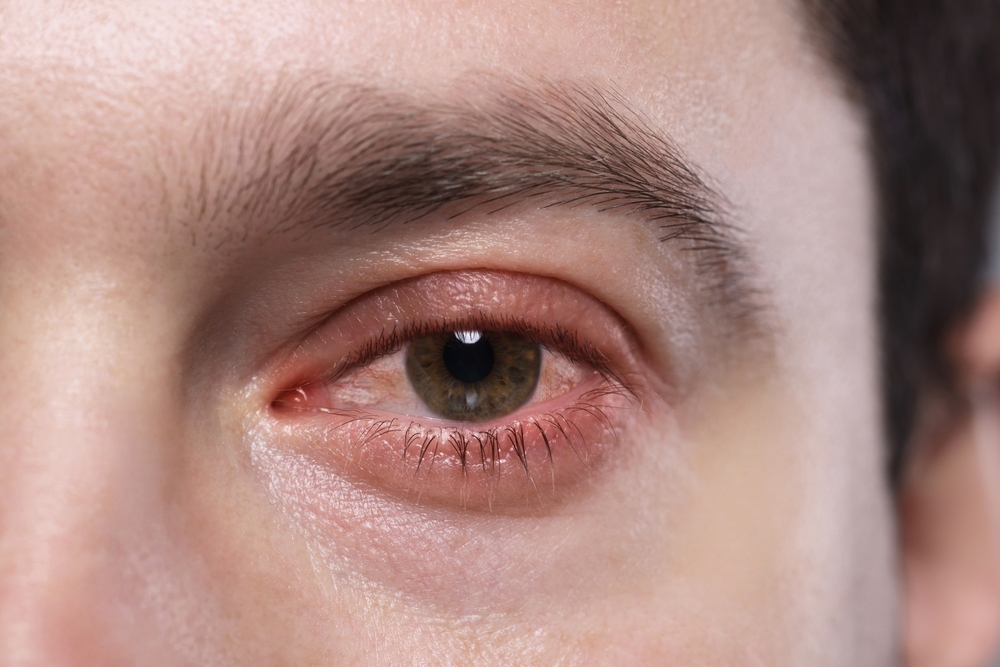
Why Red Eyes In Children Should Not Be Ignored
When your child wakes up with red, irritated, or watery eyes, it is easy to assume it is pink eye. While pink eye is common in children, not every red eye is the same. Some cases are mild and improve with supportive care, while others need prompt treatment to prevent discomfort, spreading, or possible complications.
At Toluca Lake Optometric Center, we help parents understand what may be causing their child’s symptoms and when an eye exam is the safest next step.
What Parents Often Call Pink Eye
Pink eye, also called conjunctivitis, happens when the thin tissue covering the white of the eye becomes inflamed. It can be caused by viruses, bacteria, allergies, or irritants. Because the symptoms often look similar, it can be hard to know what type your child has without an eye exam.
Common pink eye symptoms may include redness, tearing, itching, light sensitivity, crusting around the lashes, or a gritty feeling in the eye. Some children also rub their eyes more often or complain that their vision feels blurry.
When It May Be A Viral Or Allergic Reaction
Viral pink eye often comes with cold-like symptoms, watery discharge, and redness in one or both eyes. It can spread easily, especially in schools, daycare settings, and shared play spaces. Allergic eye irritation may look similar, but it often causes itching in both eyes and may happen alongside sneezing or seasonal allergies.
Supportive care can help in some mild cases, but parents should avoid guessing if symptoms are worsening or lasting longer than expected.
Signs Your Child May Need Treatment
A bacterial eye infection may cause thicker yellow or green discharge, eyelids stuck together in the morning, or symptoms that keep returning after wiping the eyes clean. Some infections require prescription treatment, and using the wrong drops can delay healing.
We recommend scheduling an eye exam if your child has:
- Thick discharge or crusting that returns quickly
- Eye pain, swelling, or increasing redness
- Blurry vision that does not clear after blinking
- Sensitivity to light
- Symptoms after an eye injury or possible foreign object
- Redness that lasts more than a couple of days
- Symptoms in a child who wears contact lenses
Why An Eye Exam Matters
A child’s eye infection is not always limited to the surface of the eye. In some cases, inflammation, a scratched cornea, contact lens irritation, or another condition can look like simple pink eye. During an exam, we can evaluate the front surface of the eye, check vision, look for signs of infection or injury, and recommend the right treatment plan.
This helps us treat the source of the problem instead of relying on trial and error.
How To Reduce Spreading At Home
Good hygiene can lower the risk of pink eye spreading between siblings, classmates, and parents. Encourage your child to wash their hands often, avoid touching or rubbing their eyes, and use a clean towel or washcloth. Pillowcases should be changed regularly, and eye makeup or contact lenses should not be shared.
If your child has been prescribed eye drops, use them exactly as directed and avoid saving leftover medication for future symptoms.
Helping Your Child Feel Better Safely
Red, irritated eyes can be uncomfortable and stressful for both children and parents. While some cases of pink eye are mild, others need professional care. If you are unsure whether your child has pink eye, an infection, allergies, or another eye concern, our team can help you make the right call.
For pediatric eye care and red eye treatment, contact Toluca Lake Optometric Center in Burbank, CA by calling (818) 841-1212.
MAP
© 2026 Toluca Lake Optometric Center. All Rights Reserved. Accessibility Statement - Privacy Policy - Sitemap
Powered by: 