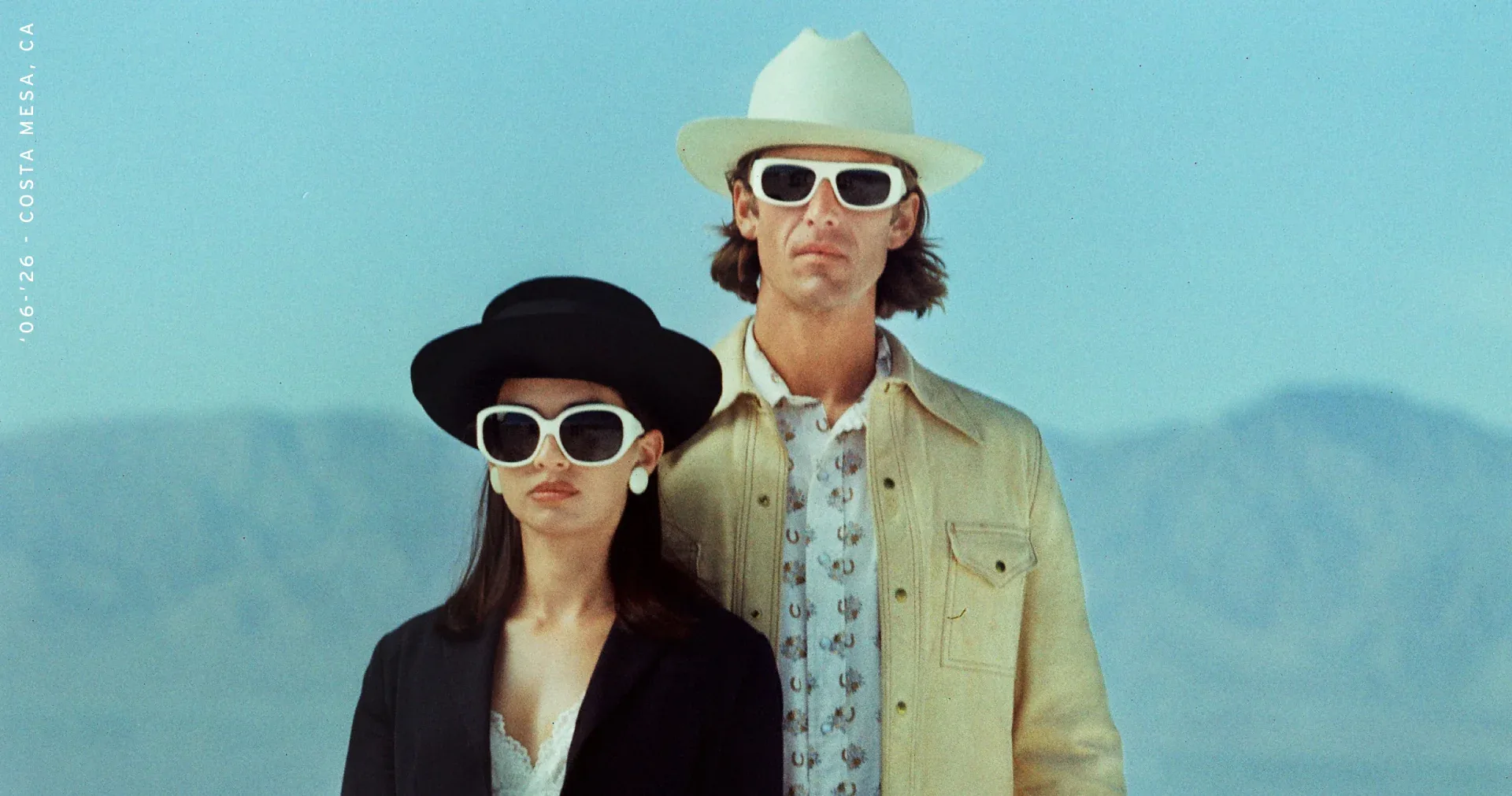
Photochromic lenses adjust their tint in response to light, giving many eyeglass wearers one pair for changing conditions. Transitions GEN S launched in the United States in 2024 as a new generation of the brand’s everyday photochromic lens. It is designed to darken outdoors and return toward a clearer state indoors, though timing and tint can vary with light, temperature, lens choice, and individual perception.
What is different about GEN S?
Transitions describes GEN S as engineered for rapid activation and fade-back, with a range of colors and clear indoor appearance. The official Transitions GEN S product page provides the brand’s current product information. “Faster” is a relative design goal, not a promise that every wearer will experience an identical transition in every setting. Changes in light are gradual, and the lenses do not behave like a switch.
The updated lens generation is intended to make moving between indoor and outdoor environments feel more seamless. A photochromic lens can add convenience, but your prescription, frame, activities, and light sensitivity still guide the choice.
Important distinction: photochromic lenses and sunglasses in a car
Many standard photochromic lenses rely substantially on ultraviolet light to darken. A car windshield blocks much of that UV, so the lenses may remain relatively clear or only lightly tinted inside the vehicle. The exact response depends on lens design and conditions; do not assume GEN S will become as dark behind a windshield as it does outdoors.
If you need strong glare reduction while driving, ask about dedicated prescription sunglasses or another option intended for use in the car. Photochromic glasses are not a substitute for sunglasses in every circumstance, and no lens can eliminate all glare. Follow safe driving practices and ensure your vision remains clear.
Choosing a lens for your routine
When comparing options, consider how much time you spend outdoors, whether you need a consistent tint while driving, color preferences, and the frame style you plan to wear. Your optician can explain the available lens colors and discuss how a chosen frame and prescription may affect the finished eyewear. If you wear separate sunglasses already, think about whether a photochromic pair would complement them rather than replace them.
People who are sensitive to changing light, or who need a specific level of protection for work or sport, should discuss those needs with an eye care professional. Tinted lenses do not treat the cause of light sensitivity, and persistent or new sensitivity deserves an eye health evaluation.
Explore eyewear options in Burbank
GEN S is a lens product, not a guarantee that a particular practice carries it. Ask Toluca Lake Optometric Center about suitability and current availability for your prescription and routine. Browse the eyewear page to learn more about eyewear at the Burbank office and discuss which lens approach fits your day.