Millions of people use artificial tears every day and still wake up with burning, gritty, uncomfortable eyes. If drops give you twenty minutes of relief and then the symptoms return, you are not using the wrong drops. You are treating the wrong problem.
At Toluca Lake Optometric Center in Burbank, CA, most of the chronic dry eye patients we see have been managing their symptoms for months or years before they find us — and in almost every case, the root cause is meibomian gland dysfunction, or MGD. Understanding why MGD creates a self-perpetuating cycle is the first step toward actually breaking it.
What Are the Meibomian Glands and What Do They Do?
The meibomian glands are a row of small oil-producing glands embedded in your upper and lower eyelids — roughly 25 to 30 per lid. Each time you blink, they secrete a thin, precise layer of oil onto the surface of your tear film. That oil layer is what prevents your tears from evaporating between blinks.
Without it, tears evaporate in seconds instead of staying stable on the eye's surface. The result is the familiar cycle of dryness, burning, redness, and fluctuating vision that defines evaporative dry eye — which accounts for the majority of chronic dry eye cases.
How MGD Creates a Self-Perpetuating Cycle
Here is where it gets important: MGD is not a static condition. It is a cycle that tends to worsen over time when left untreated.
Inflammation drives gland dysfunction. When the eyelid margins become inflamed — from rosacea, Demodex mites, blepharitis, or environmental triggers — the meibomian glands are directly affected. Inflammatory signals cause the glands to produce thicker, waxier secretions that do not flow properly.
Blocked glands produce less oil. When the gland openings narrow or clog, oil cannot reach the tear surface. The tear film becomes unstable and evaporates quickly.
A dry ocular surface becomes more inflamed. As the surface dries out, it becomes irritated and inflamed — which feeds more inflammation back to the eyelids and the glands. This is the cycle.
Disuse leads to atrophy. Glands that are chronically blocked and unable to secrete gradually lose function over time. Once a gland atrophies, it does not regenerate. This is why early intervention matters — you are protecting gland tissue that cannot be recovered once it is lost.
Artificial tears interrupt the symptom cycle temporarily, but they do not address the blocked glands, the inflammation, or the underlying dysfunction. That is why the relief is brief and the symptoms return.
Signs That MGD Is Behind Your Dry Eye
Not all dry eye looks the same. MGD-related evaporative dry eye tends to show specific patterns:
- Symptoms are worse in the morning or in the evening, or fluctuate throughout the day
- Eyes feel gritty, heavy, or fatigued — not just dry
- Reading or screen use makes symptoms significantly worse
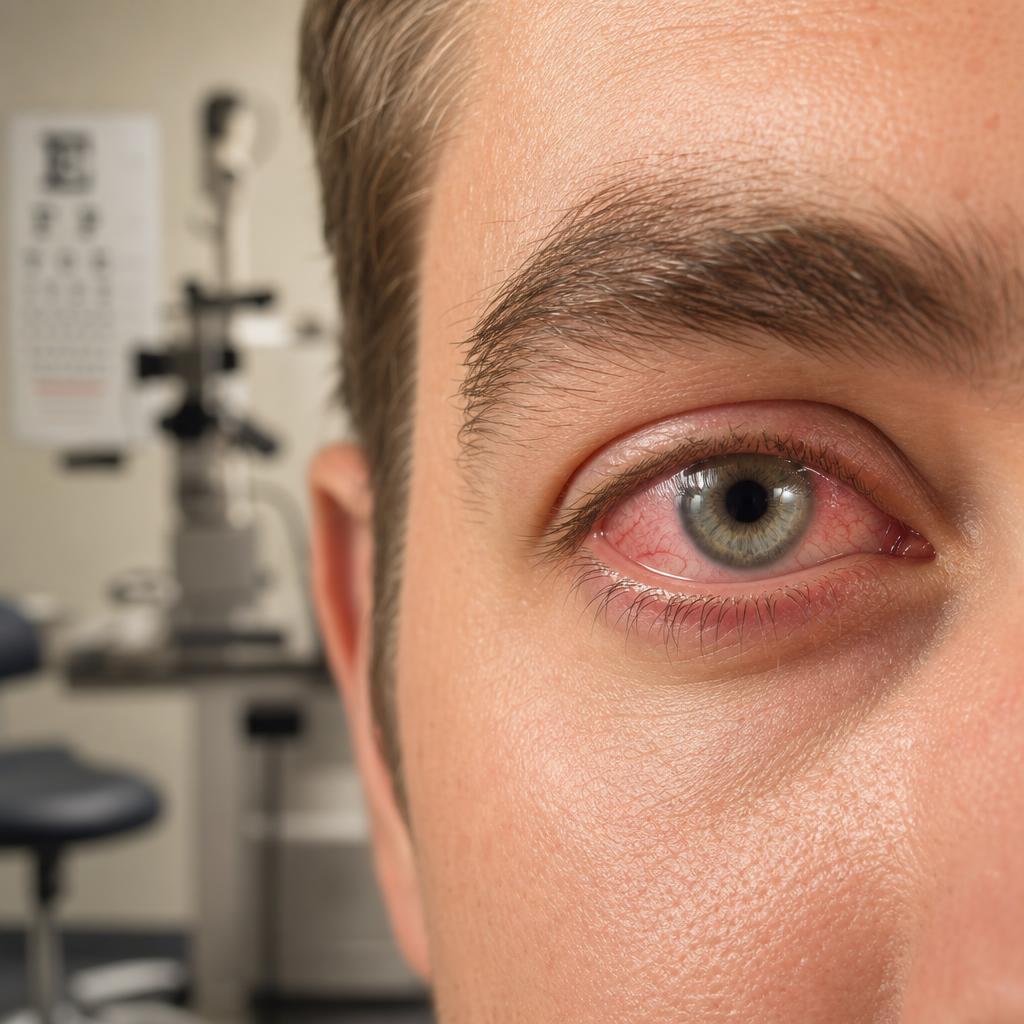
- Eyes are frequently red, especially along the eyelid margins
- Artificial tears help briefly but wear off quickly
- You have rosacea, seborrheic dermatitis, or a history of eyelid inflammation
If several of these describe your experience, MGD is likely a primary driver — and it requires treatment directed at the glands themselves.
What Actually Breaks the Cycle
The treatments that work for MGD are the ones that address its root drivers: inflammation, gland blockage, and underlying lid disease.
IPL (Intense Pulsed Light) is one of the most powerful tools available. OptiLight by Lumenis — the only FDA-approved IPL device for dry eye — targets the abnormal blood vessels that release inflammatory mediators around the eyelids. By closing those vessels, it reduces the inflammatory load on the meibomian glands and allows them to recover. The warmth from IPL also helps liquify thickened gland secretions. Most patients complete an initial series of three to four treatments, followed by periodic maintenance.
Meibomian gland expression is the physical clearing of the glands once the secretions have been softened. It removes accumulated plugs and allows the glands to resume normal secretion.
Treatment of lid disease — whether Demodex blepharitis, bacterial blepharitis, or rosacea-related lid inflammation — removes the source of ongoing gland irritation.
Low-level light therapy uses photobiomodulation to reduce eyelid inflammation and improve gland function from a different angle, often used alongside IPL in more complex cases.
Why Seeing a Dry Eye Specialist in Burbank Makes a Difference
General management of dry eye is often limited to drops and warm compresses — which help but do not break the MGD cycle. At Toluca Lake Optometric Center, we use meibography (infrared imaging of the glands themselves), tear film analysis, and comprehensive lid evaluation to understand exactly what is driving your symptoms. From there, we build a treatment plan that targets the dysfunction rather than just the surface irritation.
If you have been managing dry eye on your own with limited success, it is worth finding out what is actually happening inside your glands.
Call Toluca Lake Optometric Center in Burbank at (818) 841-1212 to schedule a dry eye evaluation, or reach out online to get started.