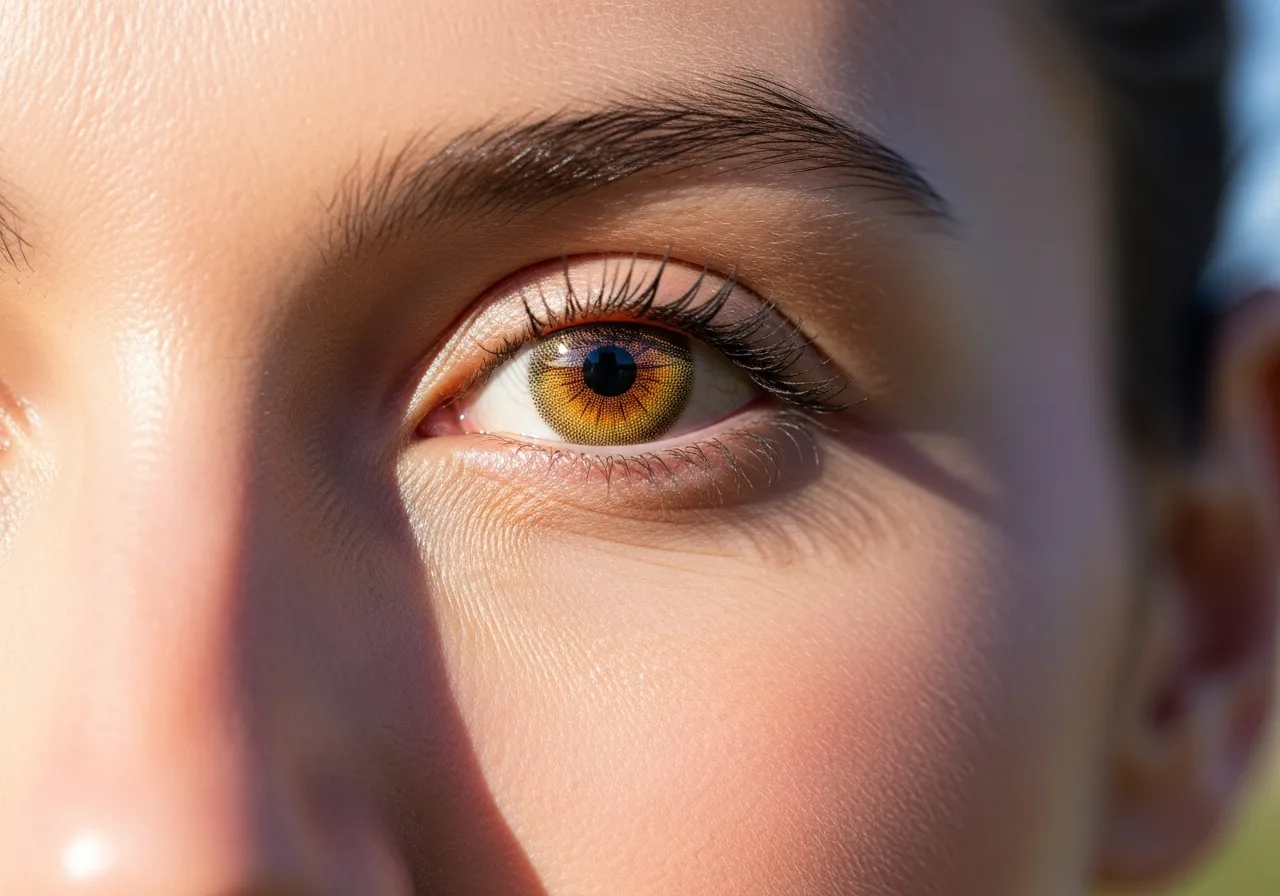

Rosacea is widely recognized as a skin condition — characterized by persistent facial redness, flushing, visible vessels, and sometimes inflammatory pustules across the cheeks, nose, and chin. What is far less recognized, even among people who have been diagnosed and treated for rosacea for years, is that the same inflammatory disease process frequently involves the eyes.
Ocular rosacea affects an estimated 58 to 72 percent of people with cutaneous rosacea. It is one of the most common and most underdiagnosed causes of chronic dry eye — and at Toluca Lake Optometric Center in Burbank, CA, it is something we see in a significant portion of our dry eye patients.
How Rosacea Affects the Eyes
Rosacea is, at its core, a vascular and inflammatory condition. The same mechanisms that cause the skin to flush, dilate, and produce inflammatory mediators also affect the eyelid margins and the structures immediately surrounding the eye.
Eyelid margin disease. In ocular rosacea, the eyelid margins become chronically inflamed. The skin and tissue of the lids thicken, redden, and develop telangiectasias — those dilated, irregular small blood vessels visible at the margin. This inflammation directly impairs the meibomian glands embedded in the lids.
Meibomian gland dysfunction. When inflammatory signals from rosacea reach the meibomian glands, the glands respond by producing abnormal, thickened secretions. The oil in the tear film degrades in quality. Tears become unstable and evaporate rapidly — producing the classic symptoms of evaporative dry eye: burning, grittiness, fluctuating vision, and light sensitivity.
Corneal involvement. In more severe or longstanding ocular rosacea, inflammation can reach the cornea itself, causing rosacea keratitis — a condition that threatens vision if left unmanaged.
Many patients are experiencing all of this while being treated only for their facial skin — using topical gels, oral antibiotics, or laser therapy on the skin without anyone assessing what the rosacea is doing to their eyes.
Why IPL Is Uniquely Positioned to Treat Both
Intense Pulsed Light has been established as an effective treatment for cutaneous rosacea for decades. It targets the hemoglobin in dilated capillaries, causing them to coagulate and be reabsorbed by the body. Persistent redness fades. Telangiectasias reduce. Flushing frequency decreases.
What makes IPL particularly valuable for rosacea patients who also have dry eye is that the same mechanism that clears the skin directly benefits the eyes.
The abnormal blood vessels at the eyelid margins — the same type of vessels that IPL targets on the cheeks — are the primary carriers of inflammatory mediators that damage the meibomian glands. By closing those vessels, periocular IPL reduces the inflammatory burden on the glands and allows them to recover function. This is why IPL is FDA-cleared specifically for dry eye treatment via the OptiLight device: the ocular and dermatological effects are not separate — they are the same mechanism applied to adjacent tissue.
What Integrated Care Looks Like
At Toluca Lake Optometric Center, we treat the face and the eyes as connected systems — because with rosacea, they are.
A patient presenting with ocular rosacea and meibomian gland dysfunction typically benefits from:
OptiLight IPL. A series of treatments that addresses both the periocular and facial skin, reducing vascular inflammation in both zones simultaneously. The treatment applies light pulses across the cheeks and lower eyelid area, targeting the vessels responsible for driving lid disease.
Meibomian gland expression. Following IPL, physical clearing of the glands removes the buildup of thickened secretions and allows normal oil flow to resume.
Lid hygiene and inflammation management. Rosacea requires ongoing management of the eyelid environment — often including medicated lid wipes, omega-3 supplementation to improve oil quality, and in some cases topical or systemic anti-inflammatory medication.
Skincare guidance. The same triggers that flare cutaneous rosacea — UV exposure, heat, alcohol, certain foods — also flare ocular rosacea. Managing the skin also protects the eyes.
Signs That Rosacea May Be Behind Your Dry Eye
If you have rosacea and have been dealing with dry, irritated, or red eyes, the connection is likely not a coincidence. Signs that ocular rosacea may be contributing include:
- Chronic eyelid redness or visible vessels along the lid margins
- Burning or grittiness that is worse when facial rosacea is flaring
- Recurring styes or chalazia (blocked glands on the eyelid)
- Symptoms that do not respond well to artificial tears alone
- A history of blepharitis that keeps returning
If this pattern describes your experience, a dry eye evaluation at Toluca Lake Optometric Center in Burbank can identify whether ocular rosacea is involved and what treatment approach will actually address the root cause.
Call us at (818) 841-1212 to schedule your consultation.